
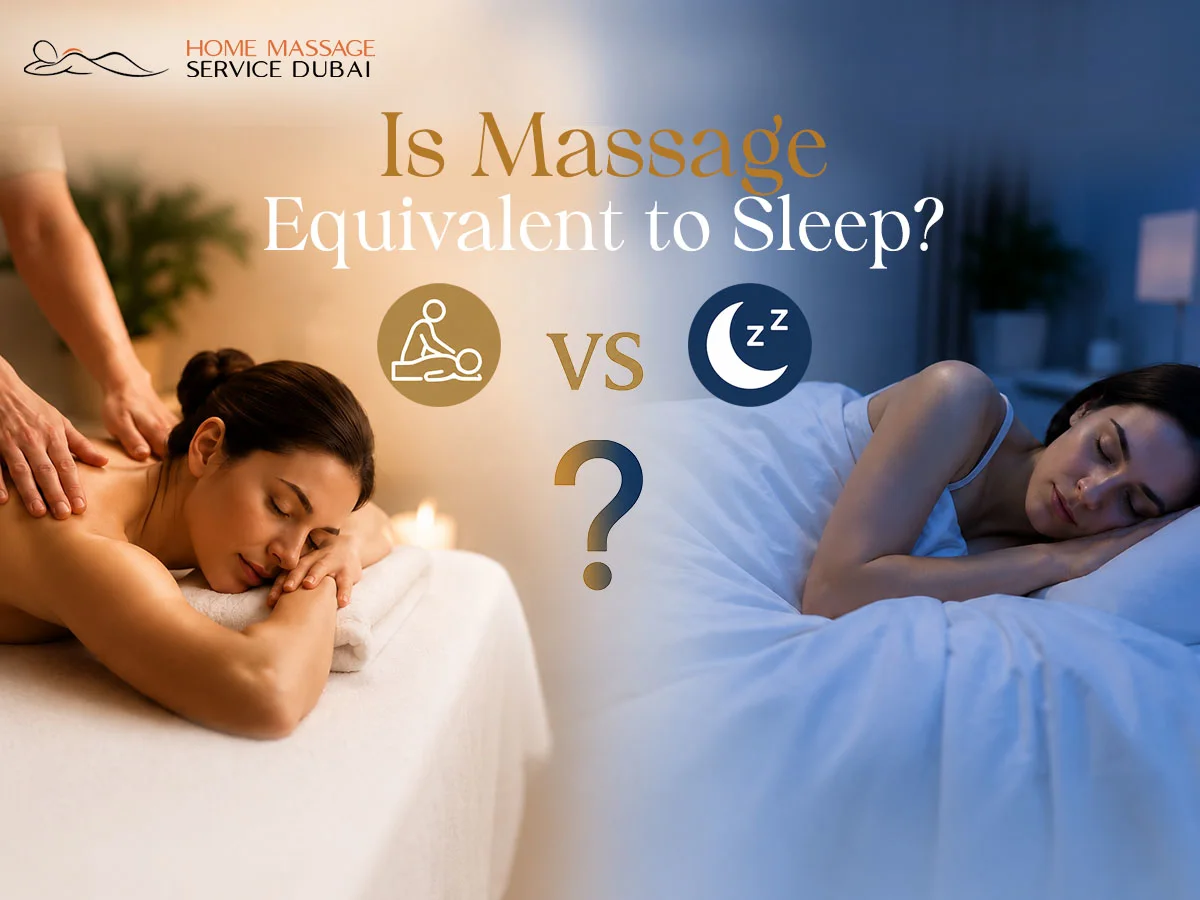
Massage is not equivalent to sleep, but it can support many of the same wellness benefits by promoting relaxation, reducing stress, relieving muscle tension, and improving recovery. While sleep is essential for brain repair, hormone regulation, and immune function, massage therapy helps prepare the body for deeper rest and better sleep quality. Combining regular massage with healthy sleep habits creates a balanced approach to physical recovery and overall well-being.
Does Massage Replace Sleep?
Massage therapy creates a state of physical and mental relaxation by lowering stress levels, easing muscle tightness, and activating the parasympathetic nervous system. Many people who book a Home Massage Service Dubai feel sleepy after a full body massage because their heart rate slows, muscles relax, and the body shifts into recovery mode. Although these effects can improve sleep quality and reduce fatigue, massage does not perform the complex restorative processes that occur during healthy sleep.
During sleep, your body repairs tissues, regulates hormones such as melatonin and growth hormone, strengthens immune function, and consolidates memories. Massage complements these natural recovery processes by supporting circulation, reducing pain, and encouraging relaxation, but it cannot replace the biological importance of seven to nine hours of restorative sleep. The best approach is combining regular massage therapy with consistent sleep hygiene for long-term health and wellness.
How Massage and Sleep Affect the Body
Massage and sleep influence many of the same body systems, including the nervous system, muscles, circulation, and stress response, but they do so in different ways. Massage provides immediate physical relaxation and supports recovery through therapeutic touch, while sleep allows the brain and body to complete essential restorative functions that maintain physical health, mental performance, and overall well-being.
Nervous System Relaxation
One of the most immediate effects of massage therapy is its ability to calm the autonomic nervous system. Gentle pressure, rhythmic movements, and therapeutic massage techniques stimulate the parasympathetic nervous system, helping reduce cortisol while encouraging the release of serotonin and melatonin. This relaxation response slows heart rate, lowers blood pressure, eases anxiety, and prepares the body for deeper, more restful sleep.
Muscle Recovery
Massage supports muscle recovery by increasing blood circulation and lymphatic circulation, allowing oxygen and nutrients to reach soft tissue, connective tissue, and fatigued muscles more efficiently. Techniques such as effleurage, petrissage, and gentle stretching help reduce muscle soreness, stiffness, and tension while improving flexibility and mobility. These benefits make massage an effective recovery tool after physical activity, prolonged sitting, or everyday stress.
Brain Recovery During Sleep
While massage helps the body unwind, true brain recovery occurs during healthy sleep. Throughout deep sleep and REM sleep, the brain strengthens neural connections, regulates cognitive function, processes emotions, and removes metabolic waste. Sleep also supports hormone regulation, memory consolidation, learning, and mental restoration. These biological functions cannot be replicated by massage alone, making quality sleep essential for long-term physical and psychological health.
Benefits of Massage and Sleep
- Reduces stress and lowers cortisol levels naturally.
- Promotes deep relaxation by calming the parasympathetic nervous system.
- Improves sleep quality, sleep efficiency, and overall recovery.
- Enhances mood by supporting serotonin and emotional well-being.
- Boosts blood circulation and lymphatic drainage throughout the body.
- Relieves muscle tension, stiffness, and post-exercise soreness.
- Accelerates tissue repair and supports faster muscle recovery.
- Restores physical energy while reducing mental and physical fatigue.
- Improves focus, cognitive function, and daily productivity.
- Supports long-term physical health, mental wellness, and a balanced lifestyle.

Key Differences Between Massage and Sleep
Although massage therapy and sleep share many wellness benefits, they are not interchangeable. Massage primarily supports relaxation, muscle recovery, and stress relief through manual therapy, while sleep performs essential biological functions that cannot be replicated through physical touch. Understanding these differences helps you use both as complementary tools for better health, improved recovery, and long-term well-being.
Physical Recovery
Massage therapy improves physical recovery by increasing blood circulation, reducing muscle tension, and relieving soreness in soft tissue and connective tissue. It also helps remove metabolic waste and delivers oxygen and nutrients to tired muscles, making it an excellent recovery method after exercise or long workdays. Sleep, however, is when the body performs deeper tissue repair, muscle rebuilding, and cellular regeneration that are essential for complete physical restoration.
Mental Restoration
A massage session promotes immediate mental relaxation by reducing stress, calming the nervous system, and easing anxiety. While these effects help clear the mind, true mental restoration occurs during healthy sleep. During deep sleep and REM sleep, the brain processes information, strengthens memory, regulates emotions, and restores cognitive function, allowing you to wake up feeling mentally refreshed and focused.
Hormonal Balance
Massage can temporarily lower cortisol and encourage the release of serotonin, creating a calming effect that supports better sleep. However, quality sleep is responsible for regulating a much wider range of hormones, including melatonin and growth hormone, which influence recovery, metabolism, immune function, and overall physical health. Consistent sleep remains essential for maintaining long-term hormonal balance.
Immune Function
Regular massage therapy supports overall wellness by reducing chronic stress, improving circulation, and encouraging relaxation, all of which can positively influence immune health. Sleep, however, plays a direct role in strengthening the immune system by producing protective proteins, supporting cellular repair, and helping the body defend itself against illness. Without adequate sleep, the body’s natural immune response becomes less effective.
Energy Restoration
Massage helps reduce physical fatigue and restore comfort by relieving muscle tightness and promoting relaxation, leaving many people feeling refreshed after a session. Sleep restores energy on a deeper biological level by replenishing the body’s energy reserves, supporting brain function, and preparing both the mind and body for the next day. For lasting energy and peak performance, massage should complement healthy sleep rather than replace it.
Can Massage Help You Sleep Better?
Massage therapy can play an important role in improving sleep quality by helping the body transition into a relaxed and restorative state before bedtime. A professional massage session reduces muscle tension, improves blood circulation, supports lymphatic circulation, and activates the parasympathetic nervous system, allowing your body to recover from physical and mental stress. These physiological changes lower cortisol levels while encouraging serotonin and melatonin production, making it easier to fall asleep naturally and enjoy deeper, more restful sleep.
Although massage is not a substitute for healthy sleep, it is an effective complementary therapy for people experiencing stress, anxiety, physical fatigue, muscle soreness, or mild insomnia symptoms. Regular relaxation massage, Swedish massage, or full body massage can improve sleep efficiency, reduce sleep latency, support a healthy sleep cycle, and enhance overall recovery. When combined with good sleep hygiene, a consistent bedtime routine, and a healthy lifestyle, massage therapy becomes a natural, drug-free solution for better sleep, improved wellness, and long-term physical and mental health.
Best Types of Massage for Better Sleep
Not every massage technique is designed to improve sleep, but certain therapies are especially effective at promoting deep relaxation, reducing stress, and preparing the body for restorative rest. The best massage for sleep depends on your physical condition, stress levels, muscle tension, and overall wellness goals. Professional massage therapists often recommend treatments that calm the nervous system, improve blood circulation, relieve soft tissue tightness, and support the body’s natural recovery process before bedtime.
Swedish Massage
Swedish massage is one of the most recommended therapies for better sleep because it uses long, gentle strokes, kneading, and rhythmic movements to relax the entire body. This technique improves blood circulation, reduces muscle tension, lowers stress levels, and activates the parasympathetic nervous system. Its calming effect helps reduce sleep latency, making it easier to fall asleep naturally while improving overall sleep quality.
Relaxation Massage
Relaxation massage focuses on relieving everyday stress, mental fatigue, and physical tension through gentle pressure and slow, flowing massage techniques. By calming the mind and relaxing tight muscles, it encourages deep relaxation and supports a healthy bedtime routine. This massage is ideal for individuals looking for a natural, drug-free way to improve sleep and reduce the effects of daily stress.
Deep Tissue Massage
Deep tissue massage targets chronic muscle tension, trigger points, and connective tissue restrictions that may cause pain or discomfort during sleep. Although the pressure is firmer than Swedish massage, it improves circulation, supports muscle recovery, and reduces persistent soreness. For people whose sleep is disrupted by chronic pain or muscle stiffness, deep tissue massage can significantly improve overnight comfort and physical recovery.
Aromatherapy Massage
Aromatherapy massage combines therapeutic massage techniques with essential oils such as lavender or chamomile to create a deeply calming experience. The combination of gentle massage and soothing aromas helps lower cortisol, promote relaxation, and encourage emotional balance. This therapy is particularly beneficial for people dealing with anxiety, stress-related sleep disturbances, or difficulty unwinding before bed, making it an excellent choice for improving sleep quality naturally.
When Massage Is Not a Substitute for Sleep
Massage therapy supports relaxation, stress relief, muscle recovery, and overall wellness, but it cannot replace the essential biological functions of healthy sleep. During deep sleep and REM sleep, the body regulates hormones, repairs tissues, strengthens the immune system, consolidates memory, and restores cognitive function. While a professional massage therapist can help reduce muscle tension, improve blood circulation, and promote relaxation, these benefits complement sleep rather than replace the body’s natural recovery process.
If you are experiencing chronic insomnia, sleep deprivation, persistent fatigue, or sleep disorders, massage should be used alongside healthy sleep habits instead of as an alternative. Maintaining a consistent bedtime routine, practicing good sleep hygiene, managing stress, and getting seven to nine hours of quality sleep remain the most effective ways to support long-term physical health, mental well-being, hormonal balance, and sustainable recovery. Massage therapy works best as part of a complete wellness routine that enhances healthy sleep, improves recovery, and helps you feel refreshed every day.
Why Choose Home Massage Before Bed in Dubai?
Choosing a home massage before bed in Dubai allows you to experience the full relaxation benefits of massage therapy without the stress of traveling home afterward. After a professional massage session, your body naturally enters a calm, restorative state as muscle tension decreases, blood circulation improves, and the parasympathetic nervous system becomes more active. Receiving a massage in the comfort of your own home lets you transition directly into your bedtime routine, helping you fall asleep faster and enjoy deeper, more restorative sleep without unnecessary interruptions.
At Home Massage Service Dubai, our licensed massage therapists provide personalized treatments, including Swedish massage, relaxation massage, deep tissue massage, and full body massage, tailored to your recovery and wellness goals. Whether you need stress relief after a demanding workday, muscle recovery following exercise, or a natural way to improve sleep quality, our mobile massage service brings professional care directly to your doorstep. With flexible evening appointments, premium massage oils, and expert therapeutic techniques, you can enjoy a safe, convenient, and relaxing experience that supports healthy sleep, long-term recovery, and overall well-being.
Better Recovery for a Real Estate Professional
Ahmed, a 41-year-old real estate consultant in Business Bay, spent most of his day attending property viewings, meeting clients, driving across Dubai, and responding to calls late into the evening. The combination of long working hours, constant movement, and high-pressure negotiations left him with tight shoulders, lower back discomfort, and difficulty switching off at night. Although he was physically exhausted, he often struggled to fall asleep because his body and mind remained in “work mode.”
To improve his recovery, Ahmed started booking a 90-minute home relaxation massage twice a week with Home Massage Service Dubai after finishing work. The evening massage helped release muscle tension, improve blood circulation, and calm his nervous system before bedtime. Within a few weeks, he noticed he was falling asleep faster, waking up feeling more refreshed, and maintaining better energy throughout busy property tours. While massage did not replace healthy sleep, it became an essential part of his recovery routine, helping him manage work-related stress, improve sleep quality, and stay productive in Dubai’s fast-paced real estate industry.
Frequently Asked Questions
Following are the faq’s:
Can a massage replace a full night’s sleep?
No. Massage therapy supports relaxation, muscle recovery, and better sleep quality, but it cannot replace deep sleep or REM sleep. Home Massage Service Dubai recommends combining regular massage with 7–9 hours of healthy sleep for optimal recovery and wellness.
Does a massage help you fall asleep faster?
Yes. A professional Swedish massage or relaxation massage helps lower cortisol, relax muscles, and calm the nervous system, making it easier to fall asleep naturally. We provide home massage services across Dubai Marina, Business Bay, Downtown Dubai, JVC, and Palm Jumeirah within 45 to 60 minutes.
Which massage is best if I have trouble sleeping?
A Swedish Massage, Relaxation Massage, or Aromatherapy Massage is ideal for improving sleep quality and reducing stress. At Home Massage Service Dubai, sessions start from AED 400, delivered by certified and experienced massage therapists at your home or hotel.
Is it normal to feel sleepy after a massage?
Yes. Feeling sleepy after a massage is completely normal because massage therapy activates the parasympathetic nervous system, reduces stress hormones, and promotes deep relaxation. This natural response prepares your body for healthier, more restorative sleep.
Can I book an evening home massage anywhere in Dubai?
Absolutely. Home Massage Service Dubai offers same-day evening appointments across Dubai Marina, JLT, Business Bay, Downtown Dubai, Palm Jumeirah, Al Barsha, and nearby communities. Our licensed and certified therapists usually arrive within 35 to 60 minutes to provide a professional home massage experience.
Conclusion
Massage therapy cannot replace sleep, but it can significantly improve relaxation, stress relief, muscle recovery, and sleep quality. Combining regular massage with healthy sleep habits supports better physical recovery, mental wellness, and overall well-being. Home Massage Service Dubai provides professional home massage treatments across Dubai with certified therapists to help you relax, recover, and maintain a healthier lifestyle.